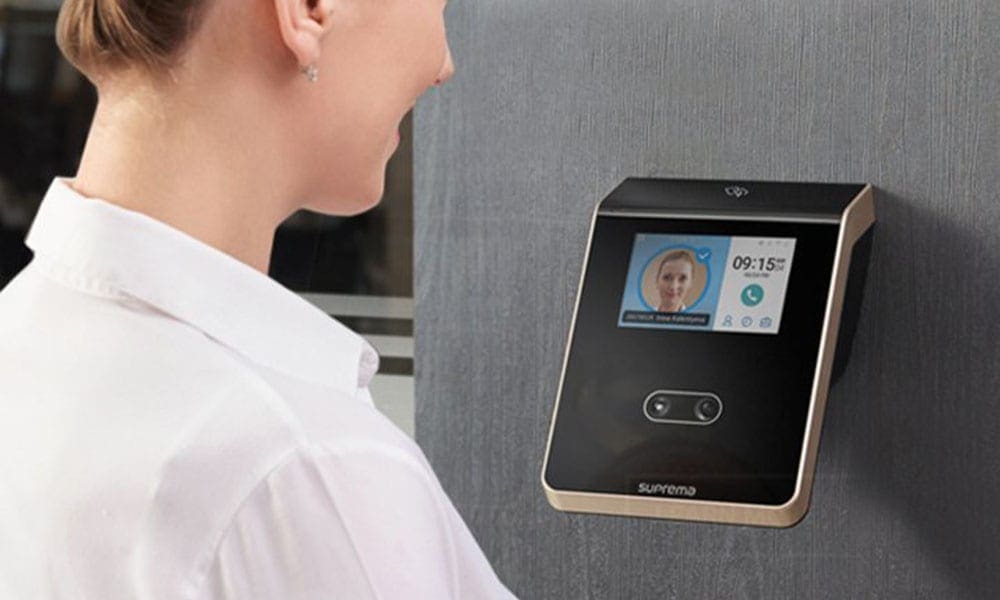
Biometric Health Kiosk: Turning Everyday Measurements into Meaningful Insights
Biometric health data has become one of the most reliable ways to understand a person’s daily wellness.
Instead of relying on scattered readings or manual notes, healthcare teams now use automated tools to capture consistent, accurate information within seconds.
A modern biometric health kiosk makes this possible by turning routine checks into a predictable, structured flow that patients and staff can trust.
What this really means is simple: better visibility, faster decisions, and fewer blind spots in care.
Why Biometric Health Data Matters
Biometric health data is more than a set of numbers on a screen. When measured properly, it helps clinicians track changes over time, understand risk patterns, and make faster decisions without guesswork. The value comes from accuracy and consistency, not just from collecting more data.
These metrics usually include:
- Heart rate
- Oxygen saturation
- Weight
- Temperature
- BMI
- Height
- Blood pressure (depending on the system)
Every reading becomes a small piece of a larger health picture. When captured consistently, it helps teams see trends long before a problem becomes urgent.
What a Biometric Health Kiosk Should Deliver
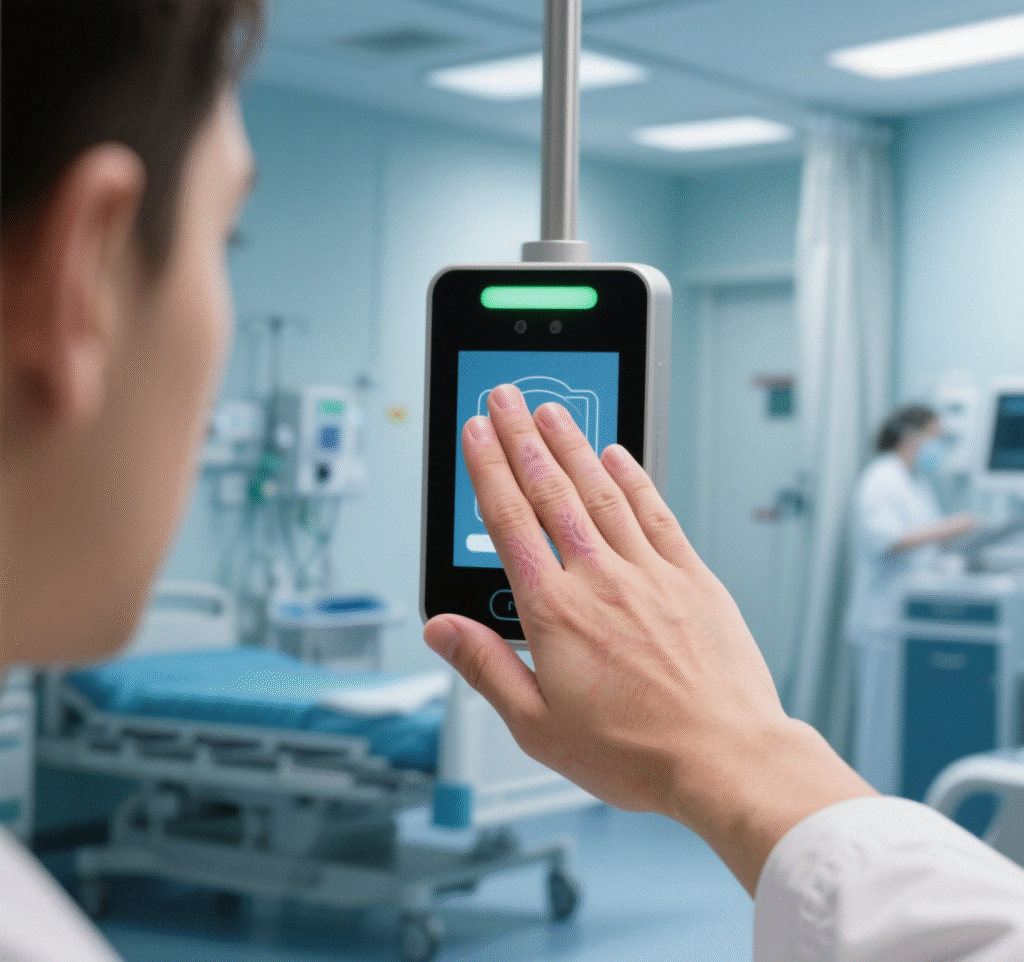
A well-designed biometric health kiosk removes manual steps that slow intake and introduce errors. Instead of staff handling each measurement, the kiosk gathers biometric health data automatically, logs it instantly, and syncs it to the organization’s documentation system.
Here’s what an effective system should handle well:
1. Accuracy Without Extra Work
Sensors, automated calibration, and guided prompts ensure readings are reliable. No rechecking, no repeated measurements, no handwritten notes.
2. Consistency Across Every User
Everyone follows the same process, whether it’s a senior resident, clinic visitor, athlete, or employee participating in a wellness program. Consistency is what makes biometric health data valuable.
3. Faster Intake and Less Waiting
When measurements take seconds, lines disappear. Staff get time back, and patients move through checkpoints smoothly.
4. Real-Time Documentation
Once readings are captured, the system sends them into the preferred platform, whether it’s an EHR, wellness management software, or internal monitoring tool. No transcription delays and no missing data.
5. Support for High-Volume Environments
A good kiosk isn’t just accurate; it’s durable and simple to use. It should hold up during peak hours without slowing the flow.
Where Biometric Kiosks Make an Impact
These systems are now being used across:
- Senior living communities
- Assisted living and long-term care
- Hospitals and outpatient centers
- Corporate wellness programs
- Athletic and sports performance facilities
- Fitness clubs and wellness clinics
Anywhere routine vital checks matter, automation improves clarity and reduces workload.
A Smarter Way to Monitor Daily Health
When biometric health data is captured the same way, every time, care teams gain a reliable baseline. Small changes become noticeable. Sudden shifts are flagged early. Staff can focus on the people who need attention instead of performing repetitive measurements.
Automation doesn’t replace clinical judgment. It strengthens it.
If you’re exploring a better way to track wellness, reduce intake friction, and gather accurate daily readings, a biometric health kiosk is one of the simplest ways to elevate your entire workflow.