
How Workflow Automation in Healthcare Reduces Clinical Errors
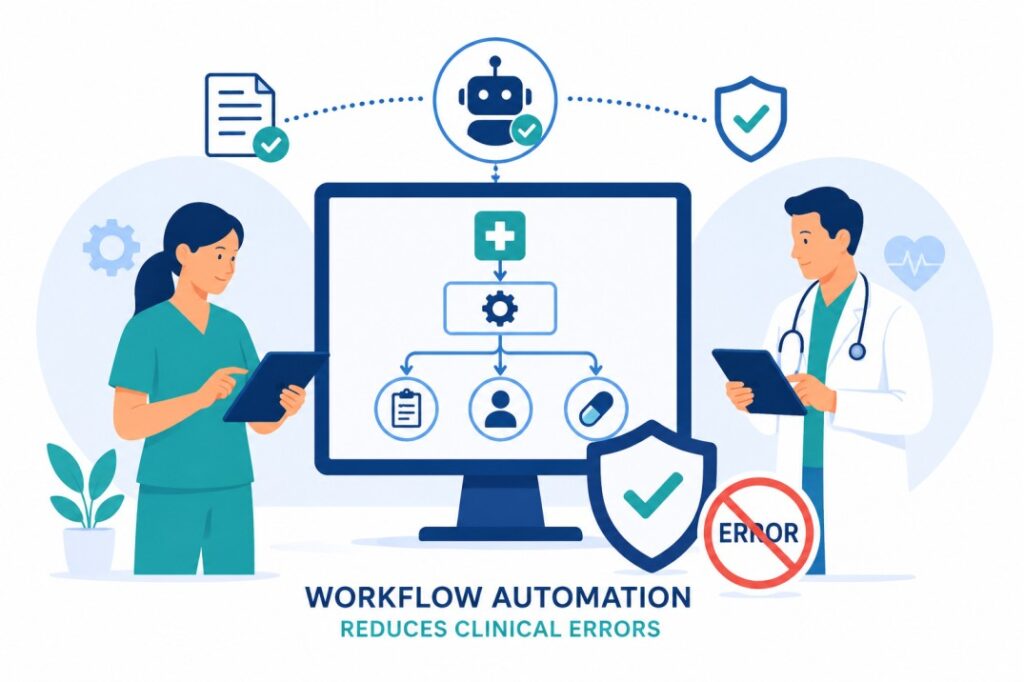
How Workflow Automation in Healthcare Reduces Clinical Errors Healthcare teams work hard every day to provide safe and timely care, but many challenges happen through inefficient processes rather than a lack of skill. Manual documentation, repeated data entry, delayed patient intake, and inconsistent records create unnecessary pressure for both staff and patients. Small workflow gaps […]
Why Patient Intake Workflow Automation Solutions Boost Care Coordination Daily
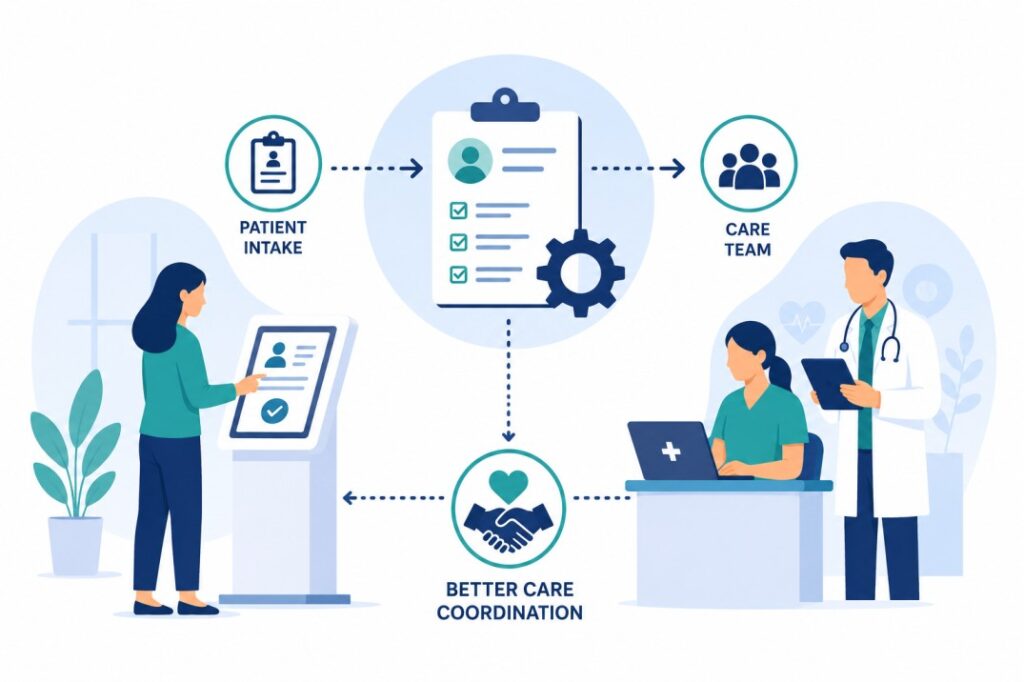
Why Patient Intake Workflow Automation Solutions Boost Care Coordination Daily Strong care coordination depends on accurate health information being captured, documented, and available at the right time. Yet in many healthcare environments, vital signs are still collected manually, written down, and entered into electronic records after the fact. These extra steps may seem routine, but […]
Rural Healthcare Modernization: A Better Rural Healthcare Experience Begins at the Front Door
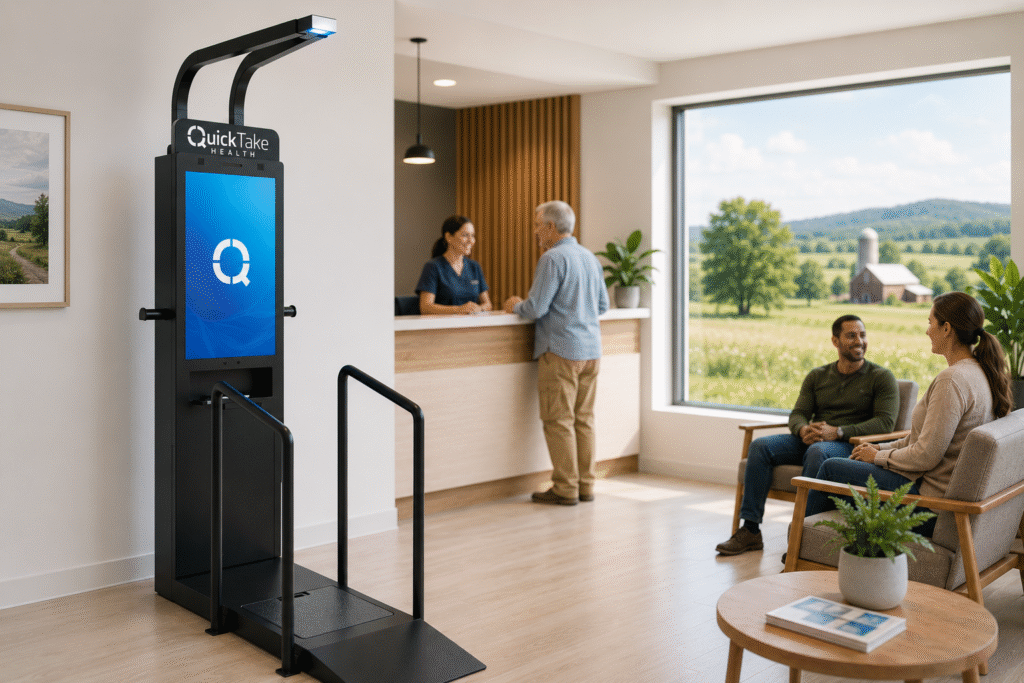
When intake is slow, health vitals are recorded by hand, or patient data is scattered across systems, the entire care experience starts with friction.
How Digital Logs Prevent Missed Health Alerts in Senior Living
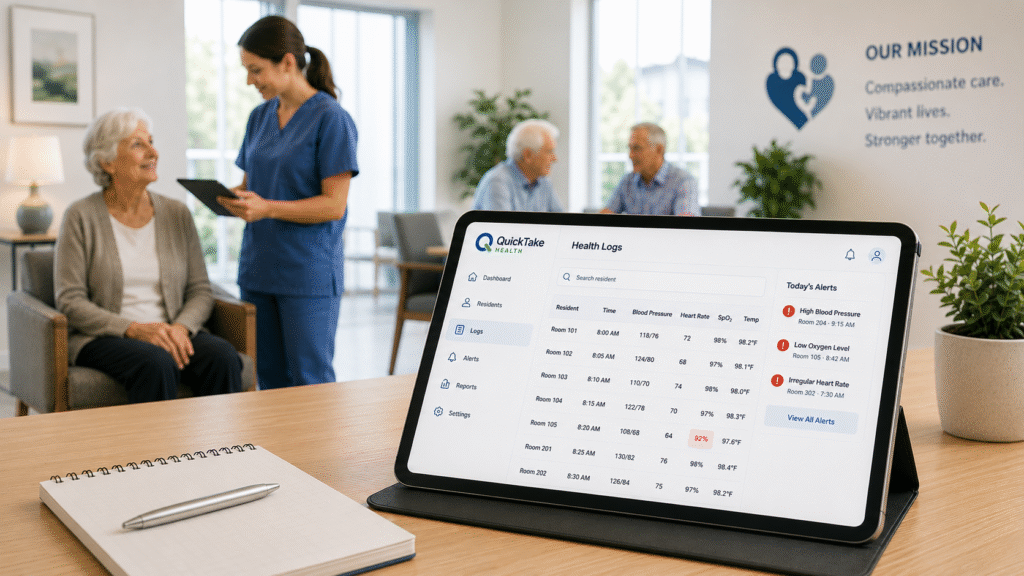
Senior living communities rely on precise, timely health data to protect resident well-being. In older adults, even minor physiological changes—such as slight fluctuations in weight, pulse, or temperature—can signal the early stages of serious conditions. When these indicators are missed or inconsistently recorded, critical intervention windows close, increasing the likelihood of avoidable complications and hospitalizations.
How Touchless Vital Sign Monitoring Prevents Silent Health Risks in Senior Living
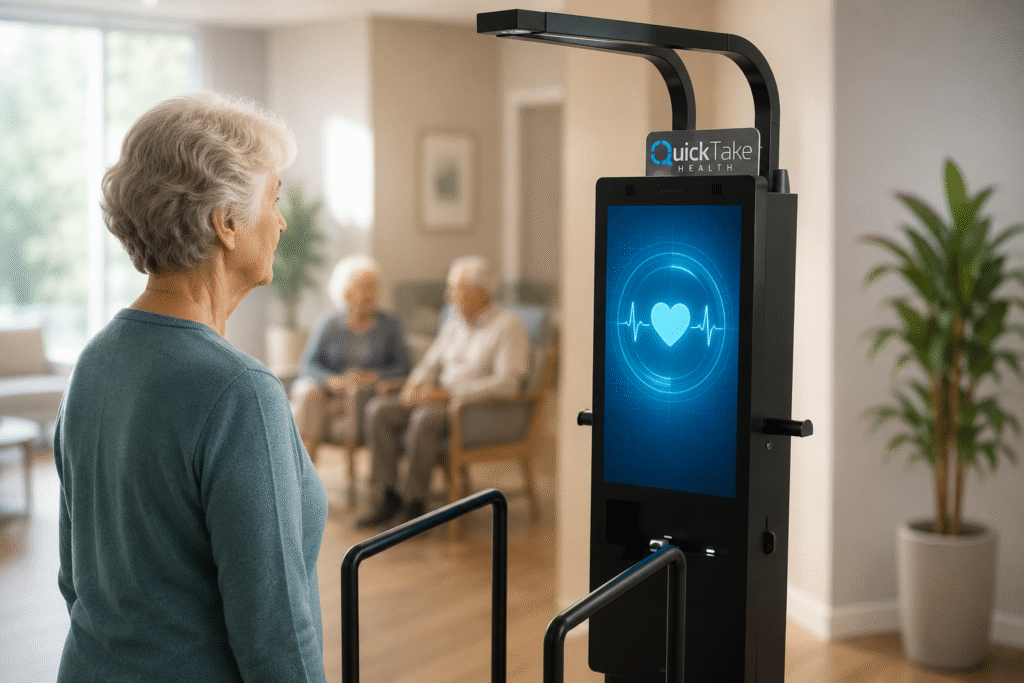
Resident safety in senior living communities depends on the ability of care teams to consistently detect early signs of clinical decline. Yet in high-demand environments—where staff balance medication administration, cognitive support, and daily care—routine vital sign monitoring is often subject to inconsistency, delay, and human error. These gaps are not trivial. In older adults, small physiological changes—such as a two-pound weight increase or a slight drop in oxygen saturation—can signal the early stages of serious conditions. When these indicators are missed or inaccurately recorded, opportunities for early intervention are lost, frequently resulting in avoidable hospitalizations and worsening health outcomes.